Jewelry is more than just an accessory. It expresses style, personality, and creativity. Designing your own jewelry can be exciting and rewarding. You can make earrings, necklaces, bracelets, or rings that are unique and personal. This guide will help beginners understand how to design jewelry from scratch, step by step.
Even if you have never created jewelry before, these tips will guide you through materials, tools, and techniques. Designing jewelry is a mix of art, creativity, and practicality.
Why Learn Jewelry Design?
Jewelry design is a creative skill that allows you to make something personal. Here are a few reasons to learn it:
-
Express your style through custom pieces
-
Make gifts for friends and family
-
Start a small jewelry business
-
Explore art and craft in a wearable form
Learning jewelry design also helps you understand materials, shapes, and trends. You get a deeper appreciation for craftsmanship and creativity.
Understanding Jewelry Types and Styles
Before designing, it’s important to know what type of jewelry you want to create. Styles and materials vary widely.
Earrings
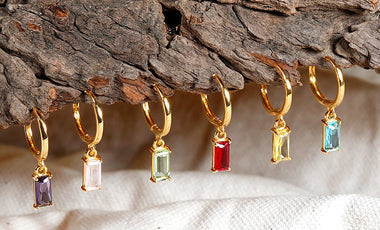
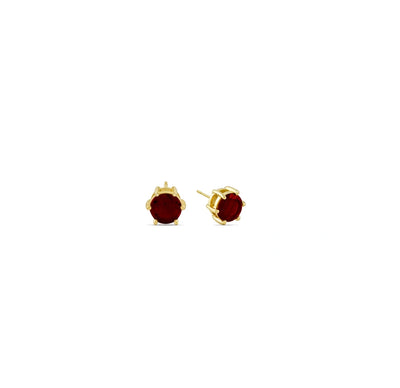
Earrings can be studs, hoops, drops, or clip-ons. Each type requires different materials and techniques. Think about size, weight, and comfort.
Necklaces
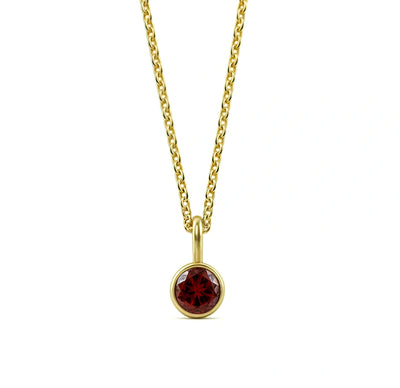
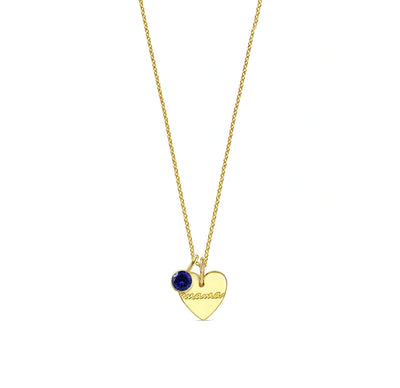
Necklaces can be chains, beaded, or pendant-based. Layering and length variations create different looks. Necklaces allow for more creativity with charms and beads.
Bracelets and Bangles
Bracelets can be delicate chains, cuffs, or charm bracelets. Consider flexibility, closure type, and wearability when designing.
Rings
Rings need precision. You must consider size, comfort, and style. Rings often use metals, stones, or wirework for intricate designs.
Read More: How to Adjust Clip-On Earrings
Tools and Materials Needed for Jewelry Design

You do not need a large studio to start designing jewelry. A few tools and materials can help you create beautiful pieces at home.
-
Jewelry pliers (round-nose, chain-nose, and flat-nose)
-
Wire cutters
-
Beads, charms, and gemstones
-
Jewelry wires and chains
-
Clasps, earring hooks, and jump rings
-
Glue for jewelry-grade applications
-
Sketchbook or design software
These basic items allow you to explore different styles and techniques without a huge investment.
Step-by-Step Guide to Designing Jewelry

Step 1 – Find Your Inspiration
Look for inspiration everywhere—nature, fashion, art, or your favorite colors. Sketch your ideas in a notebook. Inspiration helps you visualize your final design before creating it.
Step 2 – Plan Your Design
Decide on the type of jewelry, materials, and style. Make a rough sketch or digital draft. Planning saves time and ensures your design is practical and wearable.
Step 3 – Choose Your Materials
Select metals, beads, gemstones, or charms. Consider weight, durability, and comfort. Mix and match colors to make the design unique.
Step 4 – Assemble the Jewelry
Use pliers and wires to connect beads, charms, and chains. Glue or solder parts as needed. Always work on a clean surface to avoid losing small pieces.
Step 5 – Refine Your Design
Check every detail. Ensure clasps work, parts are secure, and edges are smooth. Test the jewelry for comfort and durability.
Creative Jewelry Design Tips for Beginners
-
Start small: Focus on one type of jewelry at a time
-
Experiment with colors, textures, and shapes
-
Keep sketches of all your designs for future reference
-
Study current fashion trends but add your personal twist
-
Take breaks to evaluate your design with fresh eyes
These tips help beginners grow their skills without getting overwhelmed.
Common Jewelry Design Mistakes to Avoid
-
Using heavy materials that are uncomfortable to wear
-
Skipping proper planning before assembling
-
Ignoring safety with tools like pliers or cutters
-
Overcomplicating designs in the beginning
-
Not checking the durability of connections
Avoiding these mistakes makes your creations professional and wearable.
You May Also Like: How to Make Resin Jewelry
Final Thoughts on Jewelry Design
Designing jewelry is both creative and practical. It lets your imagination shine while producing pieces that can be worn or gifted. Begin with simple designs, master the basics, and gradually try more advanced techniques. Each piece you create builds your skills, and over time, you will have a personal collection of unique, handmade jewelry.